Can you practise table tennis on your own?
Yes. Solo practice cannot copy a real rally, but it is excellent for serves, footwork, stroke shape and ball control. A useful 30-minute session combines ball bouncing, shadow play, footwork patterns and serve practice, and needs nothing more than a bat, some balls and a little space.
What solo practice is good for, and what it is not
The coaching site PingSkills points out that solo work is ideal for movements you repeat many times: ready position, stroke shape, recovery, footwork and serves. You can slow down, film yourself and focus on one detail. It is less useful for reading an opponent, adapting to an unpredictable ball and match tactics, so test what you practise at your club.
1. Bat bouncing (5 minutes)
Bounce the ball on the forehand side of your bat, then the backhand side, then alternate every bounce. As you improve, vary the height, add a little spin, or walk while keeping the ball under control. Count your best run so each session has a target.
2. Shadow play (8 minutes)
Shadow play means playing strokes in the air without a ball. Racket Insight notes that removing the ball lets you focus entirely on form, weight transfer and transitions, and that 20 mindful repetitions of a stroke before a session help to correct bad habits. Use a mirror or film yourself from the side and front. Work one stroke at a time: forehand drive, backhand drive, push, then forehand topspin. Once each is clean, alternate one backhand, one forehand.
3. Footwork patterns (7 minutes)
Start in your ready position, shuffle to an imagined ball, play a shadow stroke, and recover to the middle. PingSkills advises staying low, not crossing your feet on short sideways movements, and returning to a neutral position after every shot. Begin with two positions and add a third when the movement is controlled. Work in short sets, for example 30 seconds on and 30 seconds off.
4. Wall practice (optional)
If you have a safe wall, hit gently against it from close range, keeping the stroke compact and the contact point consistent. Some players fold one half of a table up against a wall to make a rebound board. Keep it gentle: the aim is control, not power.
5. Serve practice (10 minutes)
Serving is the most valuable solo drill because every serve is entirely under your control. If you have a table, put targets on it and change one thing at a time: spin, placement, length or height. Try ten short backspin serves that bounce twice, then ten fast serves to a deep target, and write down how many land. Our guides to the serve rules and spin serves explain the technique.
What you need
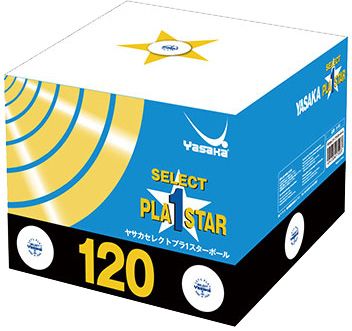
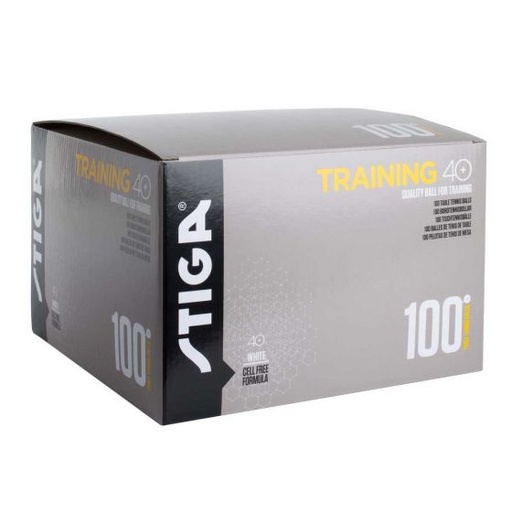
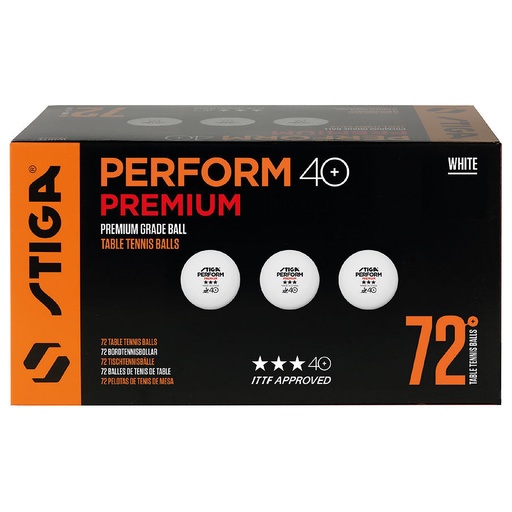
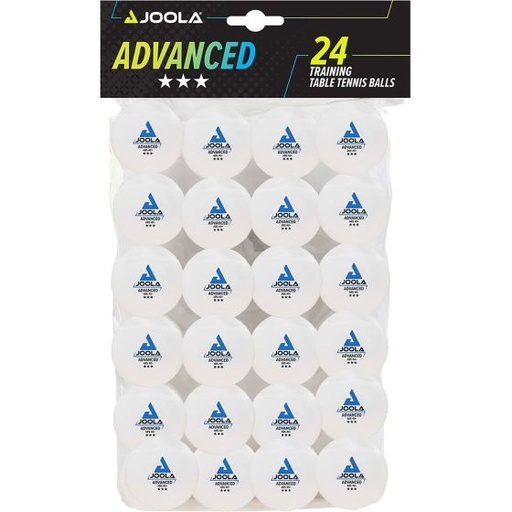
- Balls, lots of them. For serve practice a bucket of training balls saves endless collecting. See our match vs training balls guide.
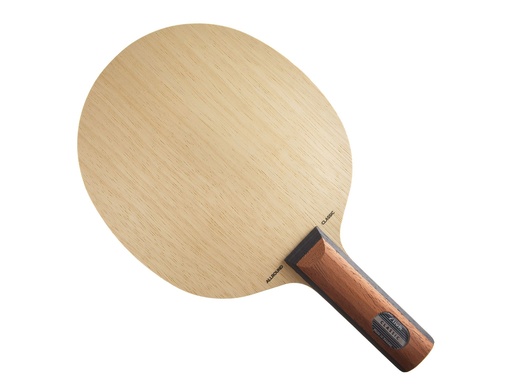
- Your own bat. Practise with the bat you play matches with, so the feel carries over.
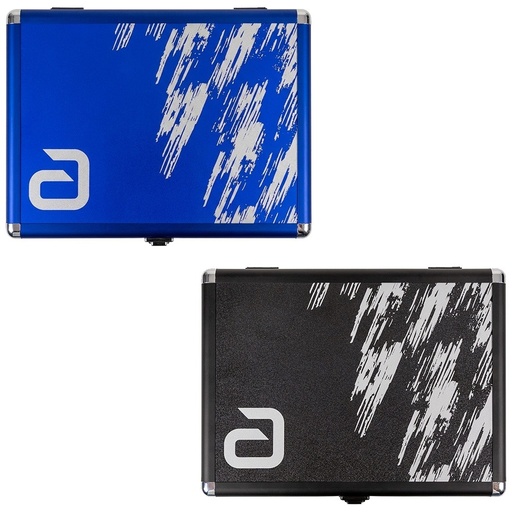
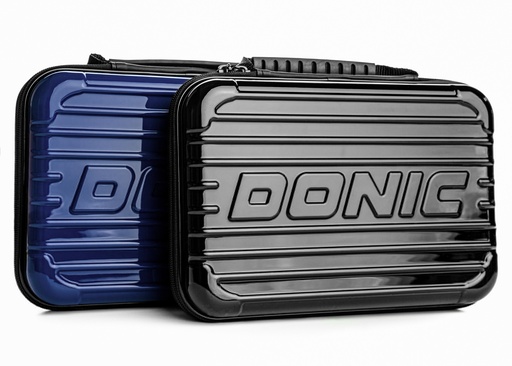
- A case. Keeping your bat in a case between sessions protects the rubbers; see our rubber care guide.
A sample 30-minute routine
- 5 min: bat bouncing, forehand, backhand and alternating.
- 8 min: shadow play, one stroke at a time, then alternating.
- 7 min: footwork, two and three positions, in short sets.
- 10 min: serve practice with targets and a written score.
FAQ
How often should I practise alone?
Little and often works best: a few short, focused sessions a week between club nights are easier to keep up than one long one.
Is a robot worth it?
Robots and rebound boards add a moving ball, but you can make real progress with the drills above before spending money.
Can I practise without a table?
Yes. Bat bouncing, shadow play and footwork all work without a table; only serve practice needs one.
Sources: PingSkills: How to practise table tennis alone · Racket Insight: Shadow play guide · Table Tennis England: service and spin