Short answers to the questions we get most. Tap a question to open it.
Rules
1. How many points is a game of table tennis?
A game is won by the first player to reach 11 points, with a lead of at least 2. At 10-10 play continues until someone leads by 2. Matches are usually best of 5 or best of 7 games.
2. How often do you change serve?
Each player serves 2 points in turn. From 10-10 (deuce) the serve changes after every point.
3. What makes a legal serve?
The ball rests on your flat, open palm, behind the end line and above the table. Toss it almost vertically at least 16 cm without spin and hit it as it falls. The ball must stay visible to your opponent throughout the serve.
4. What size is a table tennis table and net?
A regulation table is 2.74 m long, 1.525 m wide and 76 cm high. The net is 15.25 cm high.
Equipment
5. What colour must my rubbers be?
One side must be black. The other must be a bright colour clearly different from black and from the ball, such as red, blue, green, pink or violet. In competition, both rubbers must be ITTF-approved.
6. What balls should I buy?
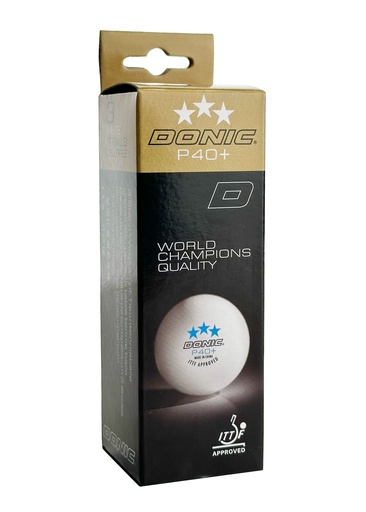
Official play uses 40 mm, 2.7 g plastic balls, white or orange. Buy 3-star balls for matches; training balls are cheaper for practice and multiball.
7. Custom bat or ready-made bat?
Ready-made bats are cheaper and fine for casual play. A custom bat lets you choose the blade and each rubber to suit your style, and is the usual step once you play regularly at a club.
8. What is the best blade for a beginner?
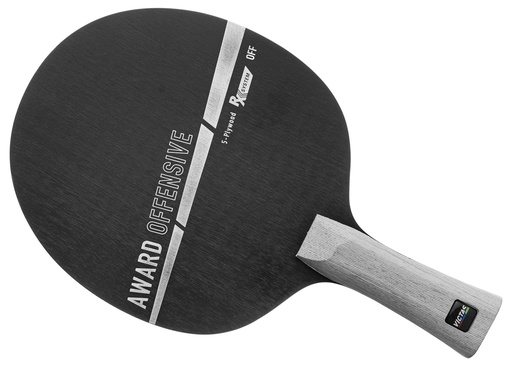
Start with a light, all-wood ALL or ALL+ blade. It gives you more control and feel while you build technique. Save carbon blades for later.
9. Which rubber hardness should I choose?
Softer sponges are easier to use and give more control at lower swing speeds. Harder sponges need fast, full strokes but give more power and spin. Many players use a slightly softer rubber on the backhand.
10. What thickness of sponge should I get?
Thinner sponge (1.5–1.8 mm) gives control. 2.0 mm suits most improving players. Max (2.1–2.3 mm) gives maximum speed and spin for advanced players. Rubber plus glue must not exceed about 4 mm under ITTF rules.
Care
11. How do I clean my rubbers?
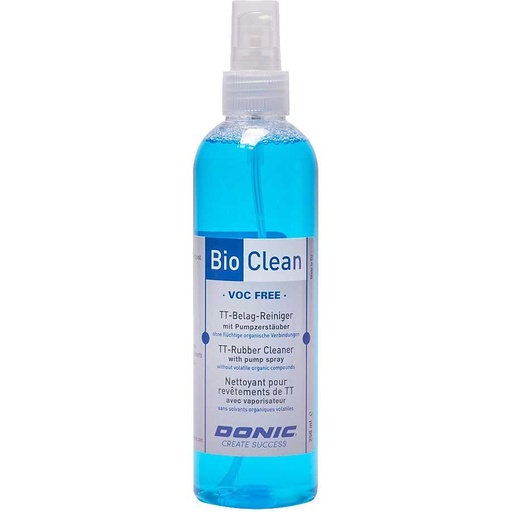
Wipe inverted rubbers after every session with a rubber cleaner and a soft sponge, then let them dry. This removes dust and keeps the grip. Never use cleaner on pimples-out rubbers unless the maker says it's safe.
12. How long do rubbers last?
It depends on how often you play. Regular club players commonly change rubbers every few months, when the surface stops gripping or the edges start to crack.
13. How should I store my bat?
Keep it in a case, away from heat and direct sunlight. Protective film on inverted rubbers helps keep them clean between sessions.
Gluing
14. Can I glue rubbers myself?
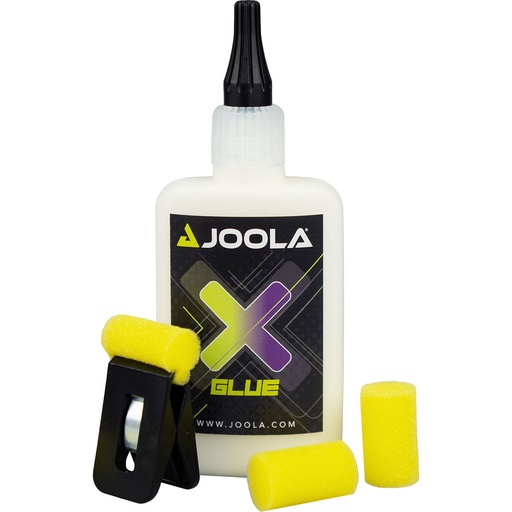
Yes. Use water-based glue (solvent 'speed glue' has been banned in competition since 2008), apply a thin, even coat to the blade and the sponge, let it dry, then press the rubber on from the handle up. Trim the edges with sharp scissors.
15. Do you glue rubbers onto blades for me?
Yes. When you buy a blade and rubbers from us we assemble the bat for free. Assembly is usually done the same day, or the next day when we're busy.
16. Do I need edge tape?
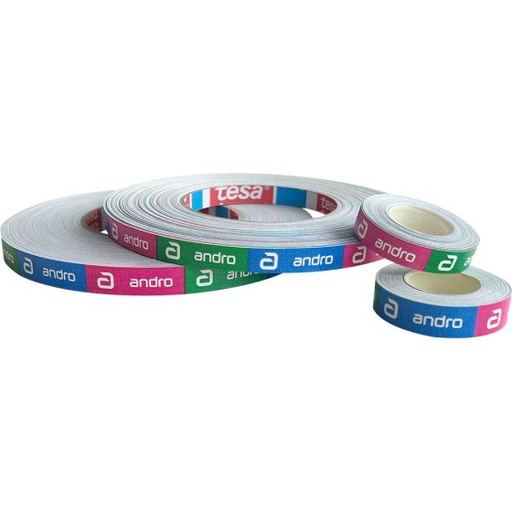
No, it's optional. Edge tape protects the blade's edge from knocks on the table, but it adds a little weight to the head.
Orders
17. How much is delivery?
UK delivery is free on orders over £50. Below that, delivery costs £3.99.
18. Can I send you my own blade for assembly?
Yes. Contact us at contacts@spinfinity.uk first and we'll give you the address to send it to.
19. Are your products genuine?
Yes. Everything we sell is brand new and genuine, and dispatched from the UK by Spinfinity Table Tennis.
20. I need help choosing. Who do I ask?
Email contacts@spinfinity.uk with your level, style and budget, and we'll recommend a set-up.
Sources: ITTF Laws of Table Tennis 2026 (rules, ball, coverings, serve) · ITTF documents · Table Tennis England
Products in these answers

Care & accessories