A short serve is the one that bounces twice on your side if you leave it. Everything else in the receive follows from that. If you decide the stroke before you know the length, you will either push a ball that was already long, or lunge at a ball that died on the second bounce.
Watch the contact, then the second bounce
Law 2.6 says the server has to throw the ball near-vertically from an open palm and hit it behind the end line, or behind the extension of that line. You will not see the racket face on a good server. You can still see the contact. A racket that brushes under the ball is sending backspin. A racket that brushes up the back is sending topspin. Sidespin shows up as the wrist turning across the ball.
Length is the next read, and it is the one that matters most. A short ball's second bounce would land on your half. A half-long ball's second bounce would land around your end line. A long ball is off the end. Call it in your head before you move your feet: short, half-long, or long.
Short backspin: push or drop
For a short backspin serve, step in with the racket foot, stay low, and open the face. Contact the ball on the way down, just after the bounce, with the bottom edge of the racket leading. A push sends it long and low, usually to the server's crossover or out wide to the backhand. A drop is the same contact with less forward push, so the ball dies short on their side.
The mistake is scooping. If the face rolls under the ball and then up, you pop it. Keep the forearm quiet and send the ball with the shoulder. If the serve has heavy sidespin, aim the push a little the other way so the ball does not slide off the side of the table.
When the serve is not short
A long serve is an attack, not a push. Step out, take it at the top of the bounce, and topspin. Pushing a long ball gives the server an easy third-ball loop.
Half-long is the awkward one. If you can get your body in and the ball sits up, a flick is on: a short, fast stroke, contact in front of you, wrist firm. If you are late or the ball is skidding, the heavy push is the higher-percentage choice. Guessing a flick against a heavy backspin serve is how points end in the net.
Where to put it
Three targets cover most club servers. Wide to their backhand makes them move before the third ball. Into the playing elbow, on the crossover, makes them choose a wing late. Short to their forehand, if your drop is good, takes away the big forehand loop they wanted to play. Vary them. A server who knows you always push long to the backhand will stand there and loop.
A simple way to practise it
Ask a partner for twenty serves, all short, no telling you the spin. Your only job for the first ten is to say "backspin", "topspin" or "nospin" before you play the ball, then push it on. For the next ten, add one placement call: wide, elbow, or short. Keep score of reads, not of points. When the read is right eight times out of ten, add the flick as a choice on the half-long ones only.
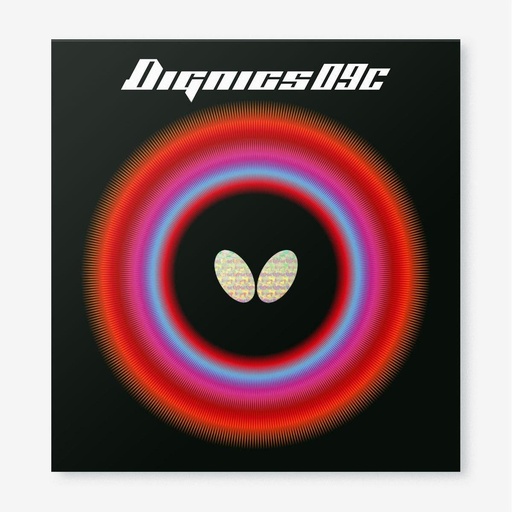
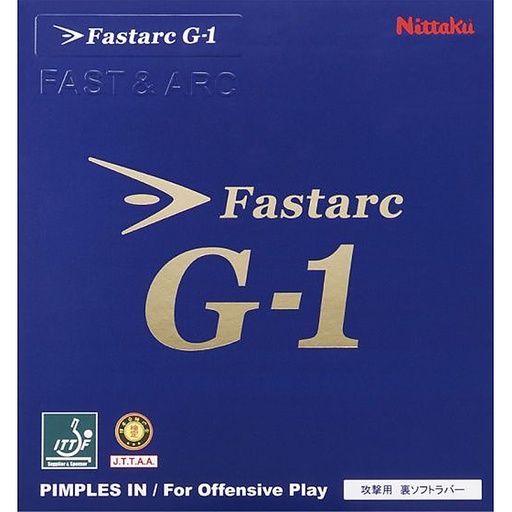
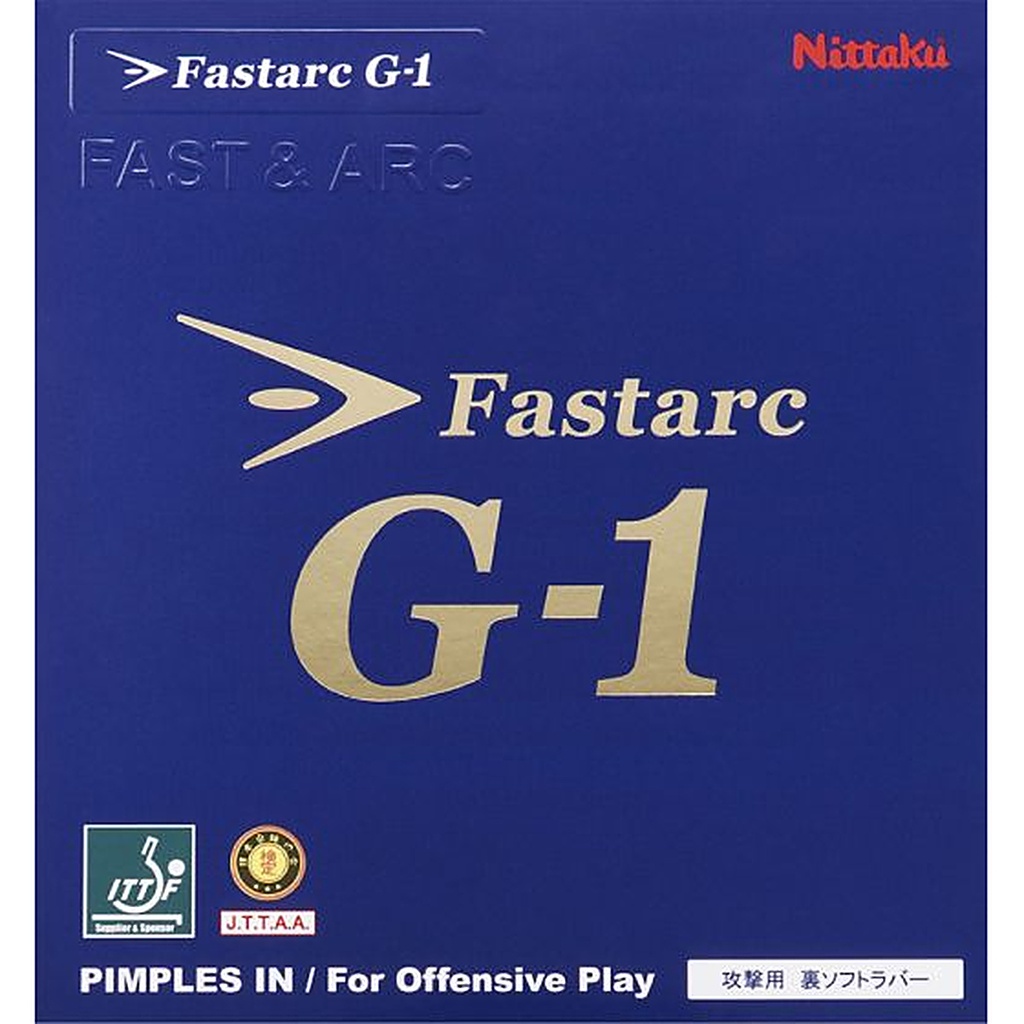
The sheet on the bat matters once the read is reliable. A topsheet that grips helps a short touch, because the ball stays on the rubber long enough for you to aim it. Nittaku builds the Fastarc G-1 around what it calls a tension spin sheet, and describes the rubber as one that grips the ball and draws an arc. It is on the site at £35.33 on promo (was £37.99), in red or black and in 1.8, 2.0 and max. Butterfly's Dignics 09C is the other end of the same idea: the maker says pimple code 209 is there for over-the-table play and for counter-topspin, on a hard Spring Sponge X. Spinfinity lists the 2.1 sheet at £74.39 on promo (was £79.99). Neither sheet returns a short serve for you. They only give you a surface that bites once your contact is right.
Sources: Nittaku Fastarc G-1 product page (2026-11-23) · Butterfly Dignics 09C product page (2026-11-23) · ITTF Statutes 2026, Law 2.6 The Service (2026-02-01)